
DELIVERING CONSERVATION ACTION TO PROTECT SPECIES AND RESTORE ECOSYSTEMS
MEWC implements targeted conservation programmes focused on habitat protection, scientific research, and threat mitigation to support endangered species and ecological stability.
Non-Profit Registration Number
2023 / 776031 / 08
STRUCTURING CONSERVATION WORK AROUND ECOSYSTEMS, SPECIES, AND THREATS
Conservation efforts are designed to address the key drivers of biodiversity loss, including habitat degradation, illegal wildlife trade, and human-wildlife conflict. Programmes are implemented with defined objectives and monitored to assess their effectiveness over time. This structured approach ensures that conservation actions are aligned with ecological priorities and contribute to measurable outcomes for species and ecosystems .
PROTECTING AND RESTORING ECOSYSTEMS TO SUPPORT BIODIVERSITY
Healthy ecosystems provide the conditions required for species survival. Conservation work focuses on protecting critical habitats, improving vegetation cover, and restoring degraded areas to support ecological balance.
Efforts include habitat protection, ecosystem restoration, and improving connectivity between habitats to support species movement and long-term resilience. These actions contribute to biodiversity preservation and the stability of natural systems .
GENERATING SCIENTIFIC KNOWLEDGE TO INFORM CONSERVATION DECISIONS
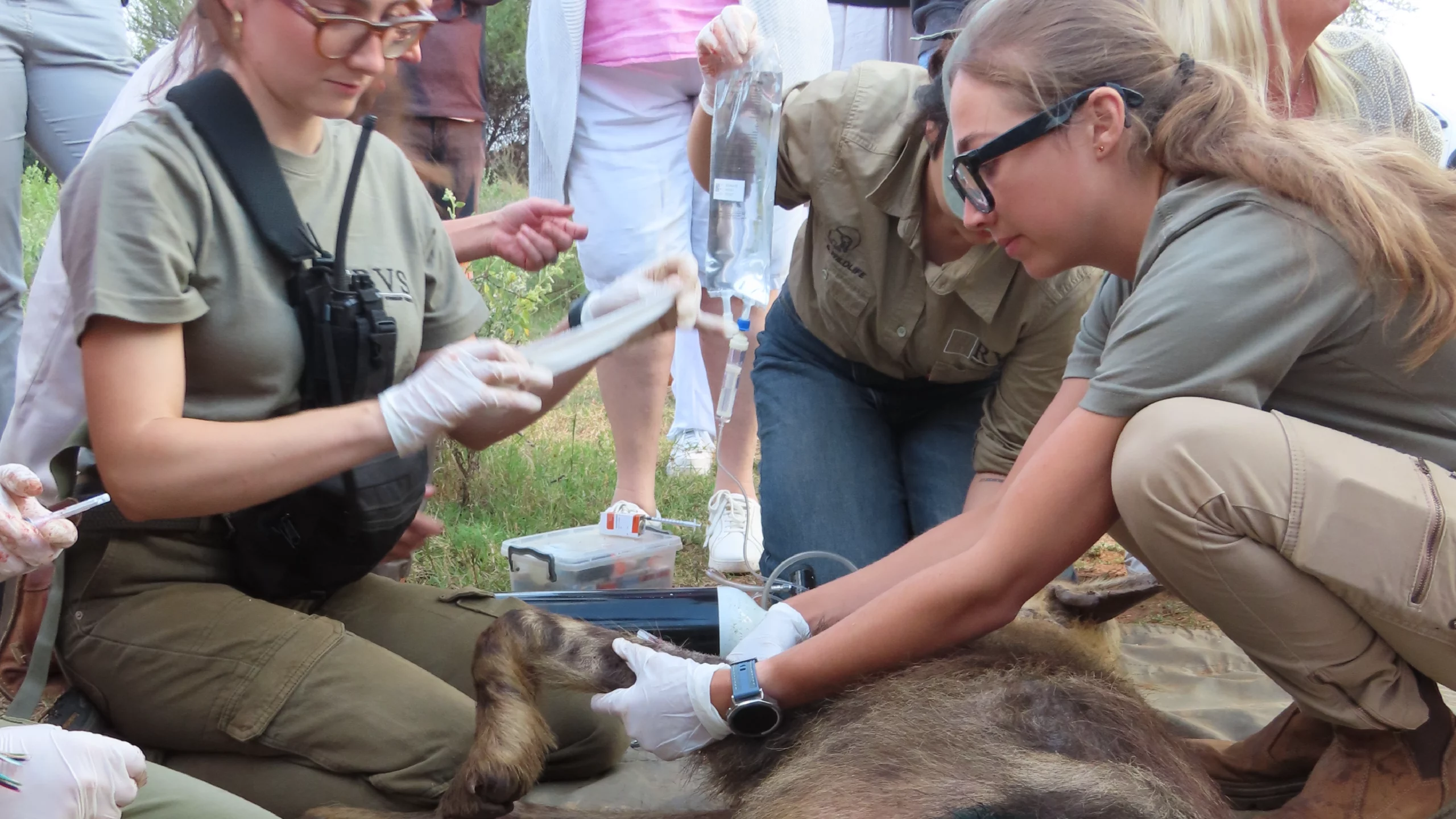
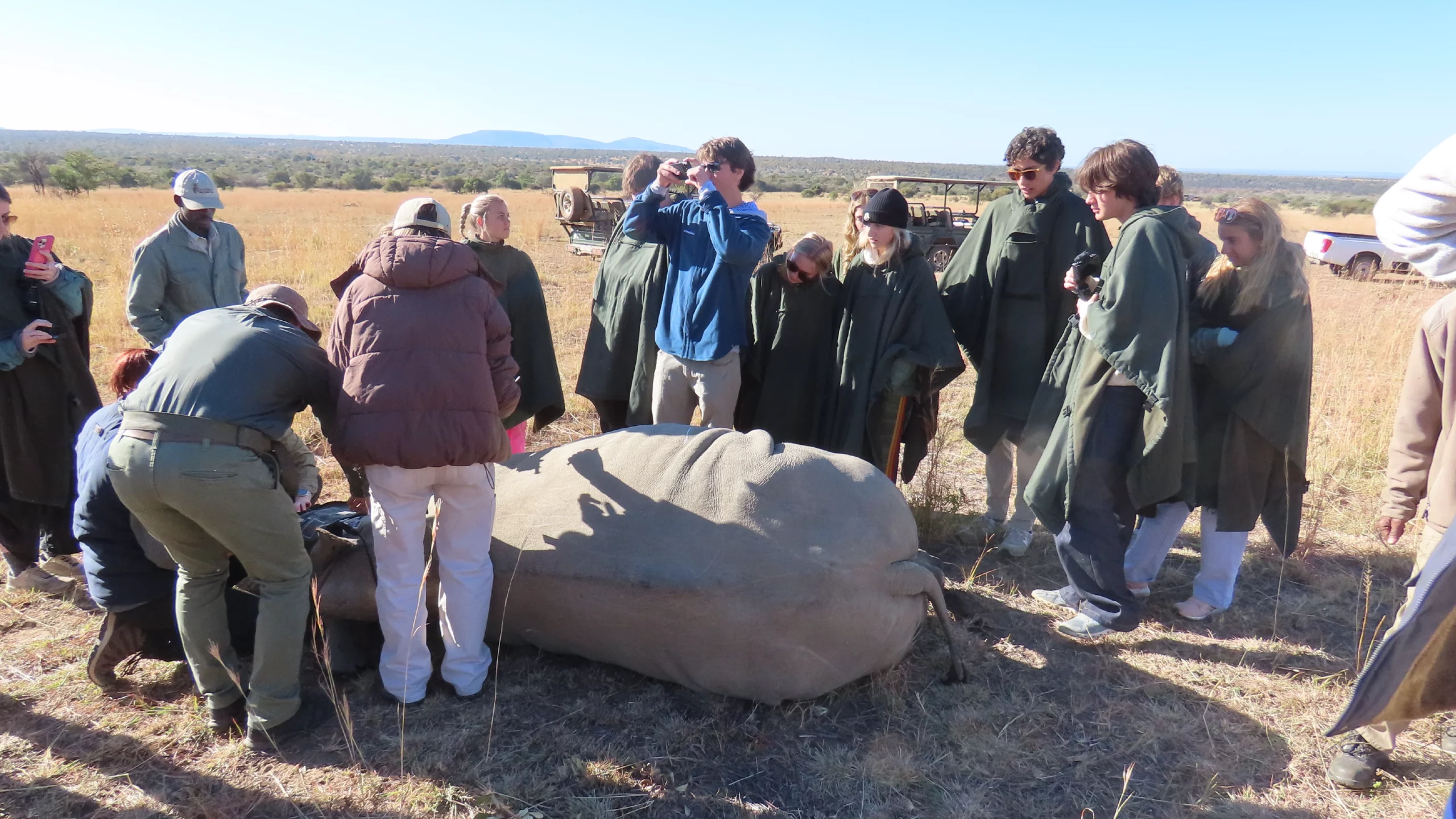
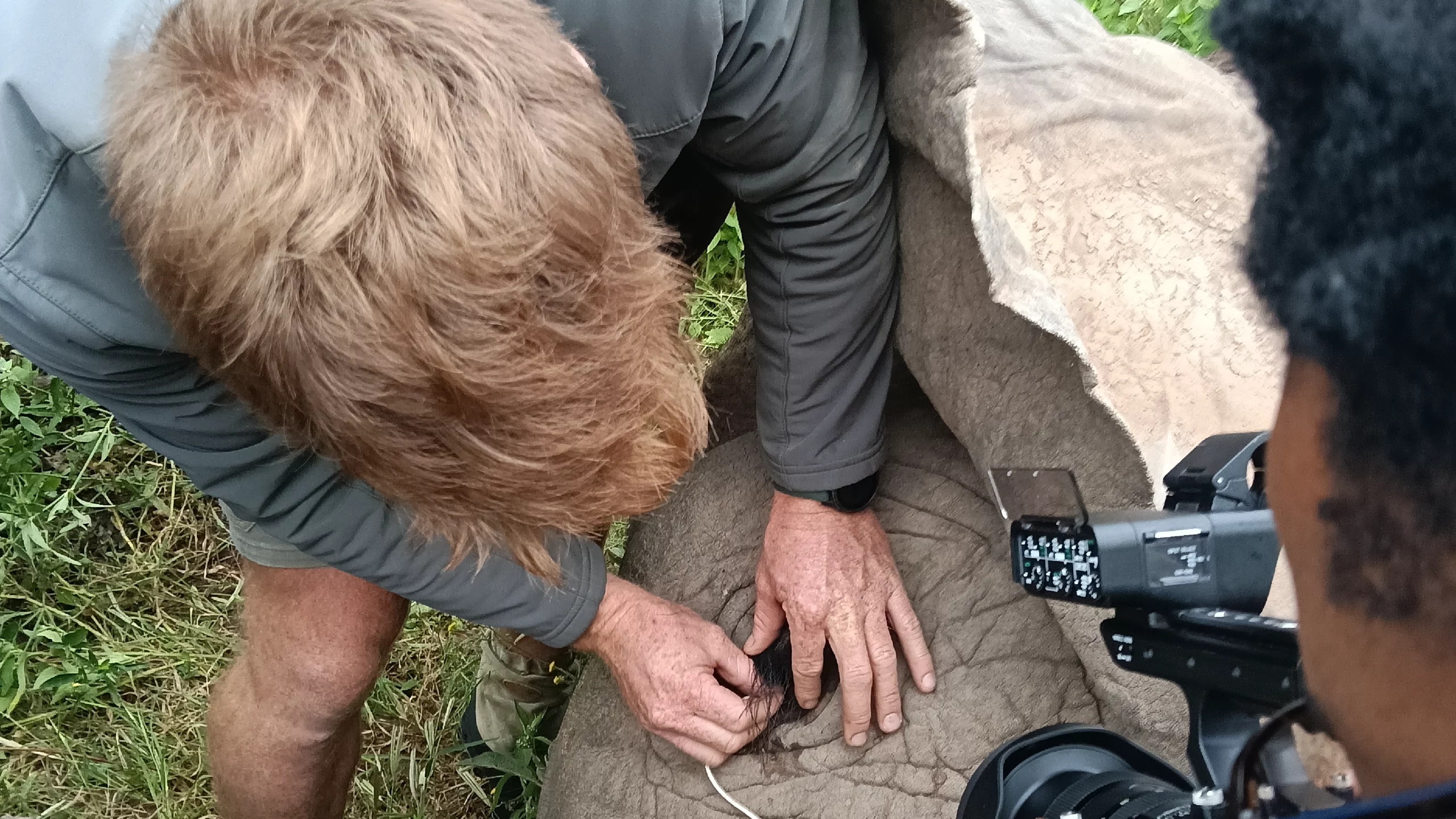
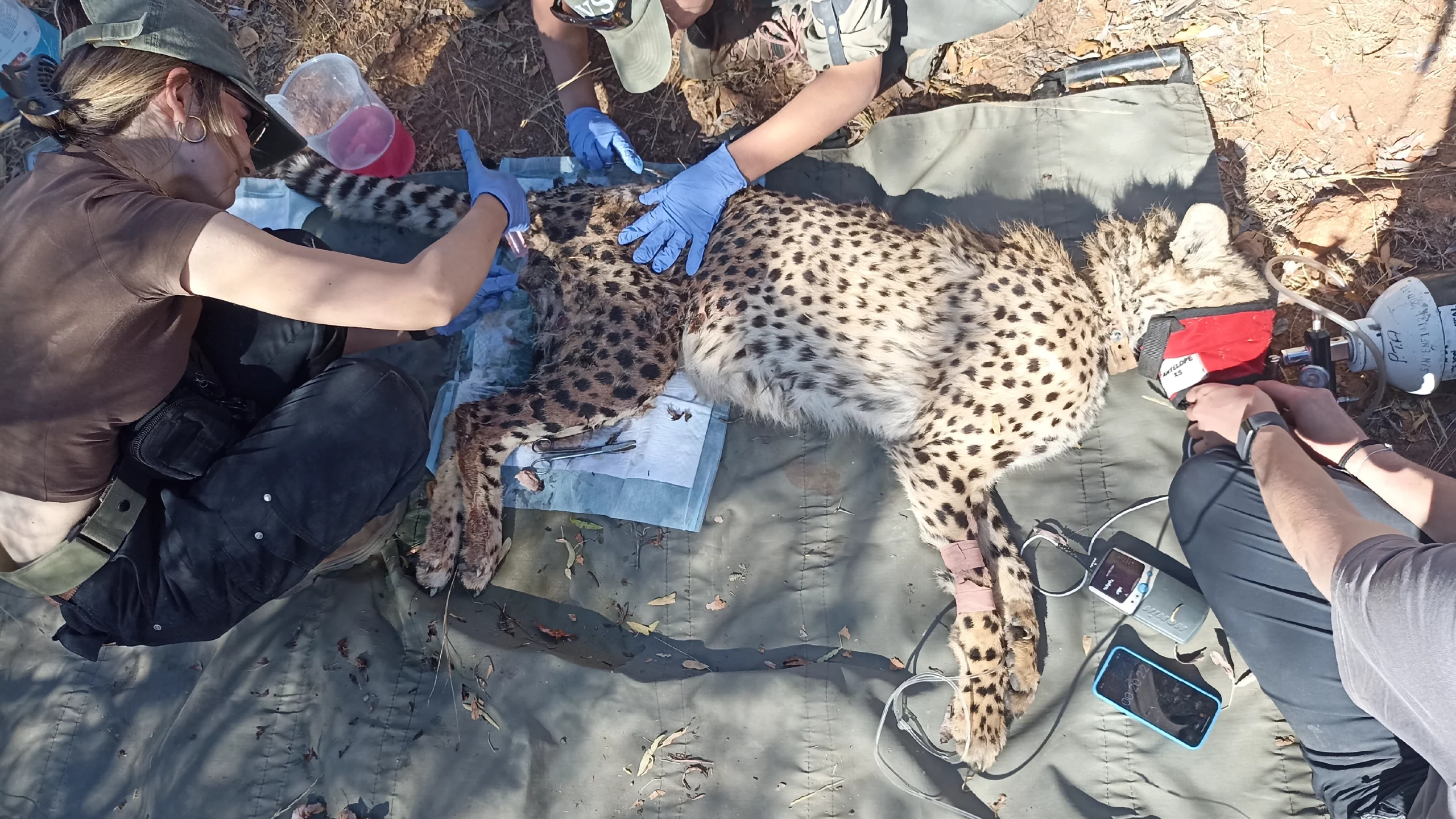
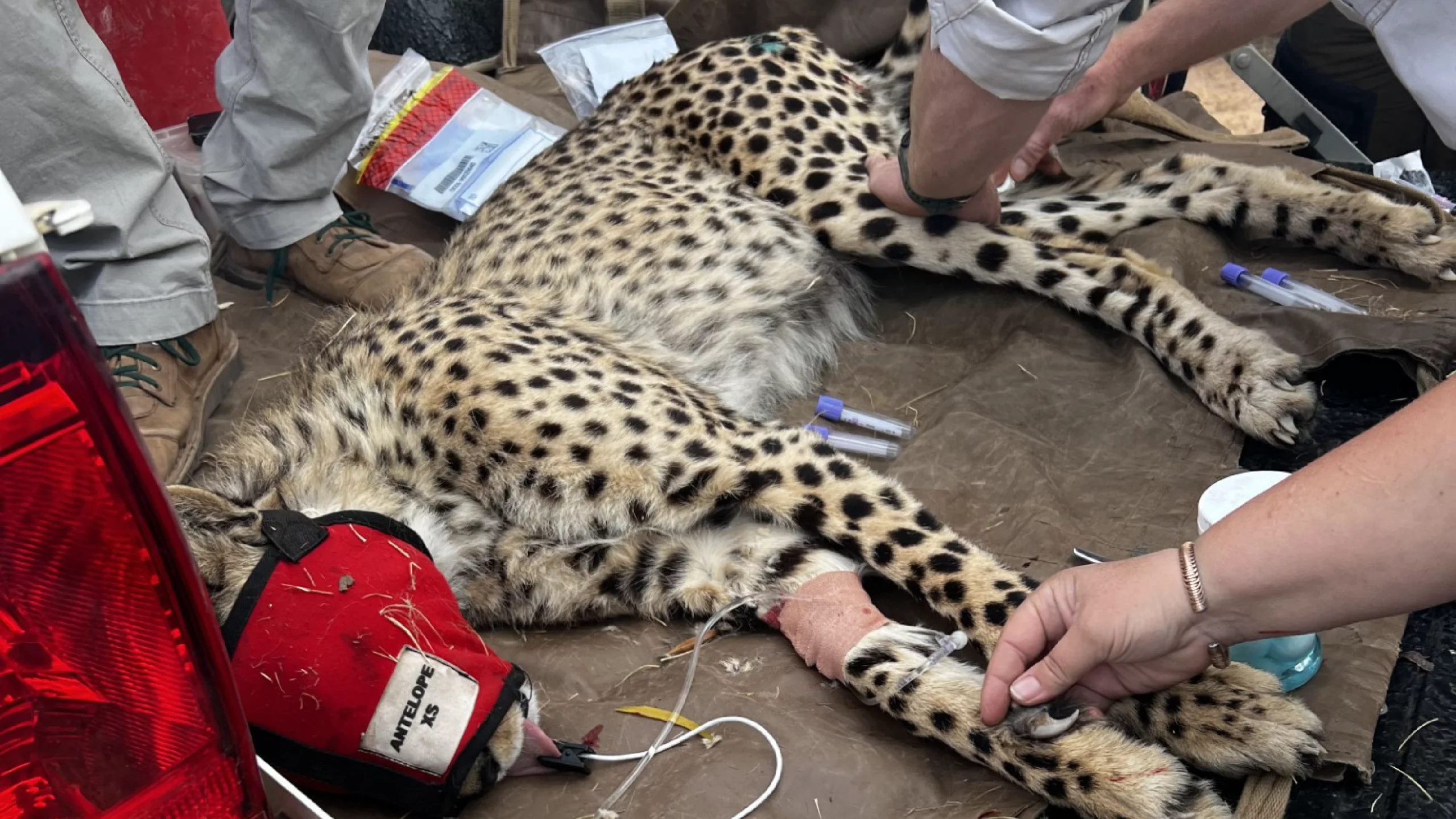
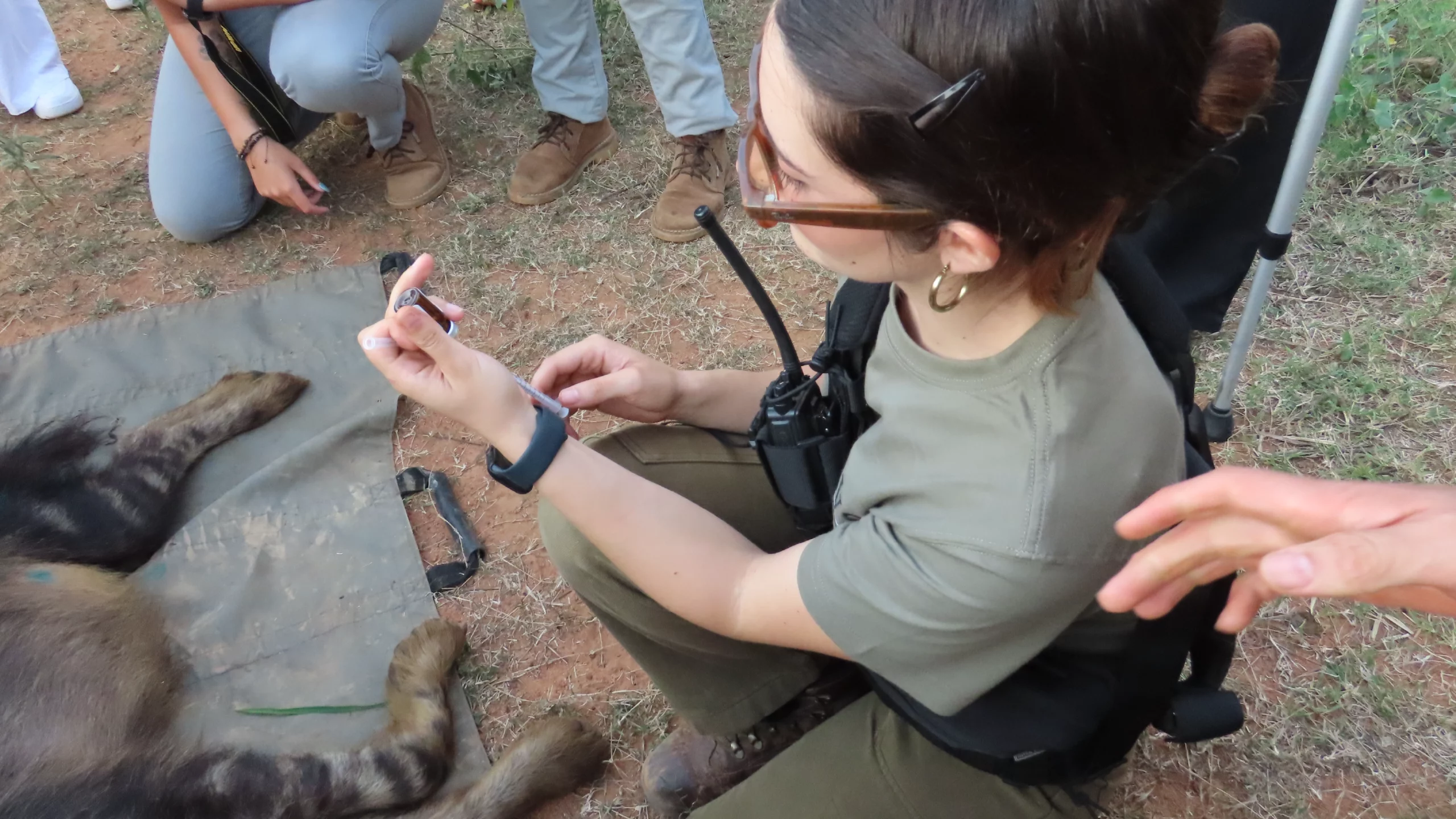
Scientific research underpins all conservation activities. MEWC conducts monitoring and research programmes to understand species behaviour, population dynamics, and environmental pressures.
Research findings are used to guide conservation strategies, support adaptive management, and identify emerging threats. Ongoing data collection ensures that conservation actions remain evidence-based and responsive to changing conditions .
WORKING WITH COMMUNITIES TO SUPPORT SUSTAINABLE CONSERVATION PRACTICES
Conservation initiatives are developed in collaboration with local communities to ensure long-term sustainability. Engagement focuses on building awareness, supporting participation in conservation activities, and addressing challenges such as human-wildlife conflict.
Community involvement contributes to locally relevant solutions and supports the long-term protection of ecosystems and species through shared responsibility and participation .
IMPLEMENTING MEASURES TO REDUCE THREATS TO WILDLIFE
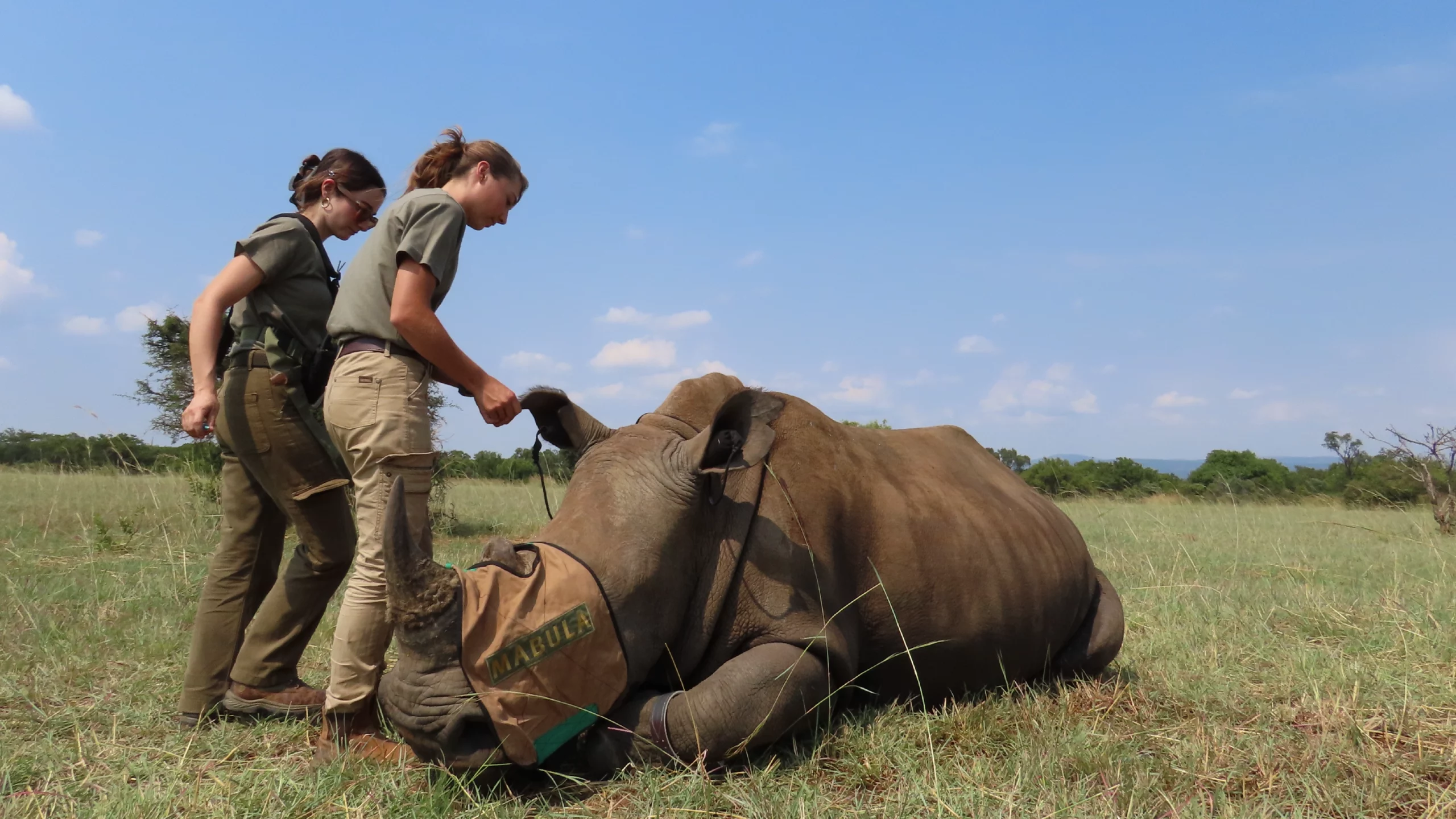
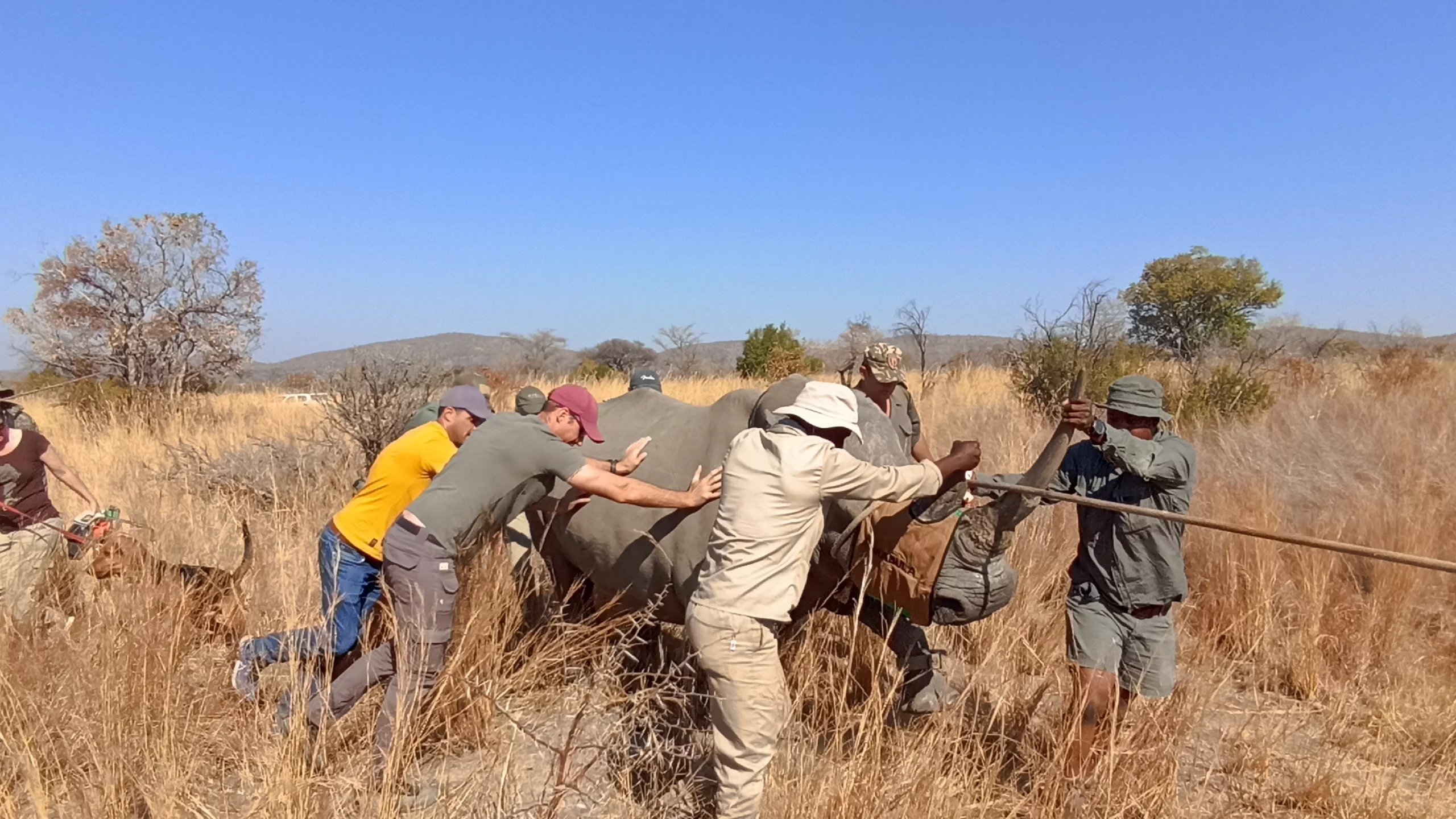
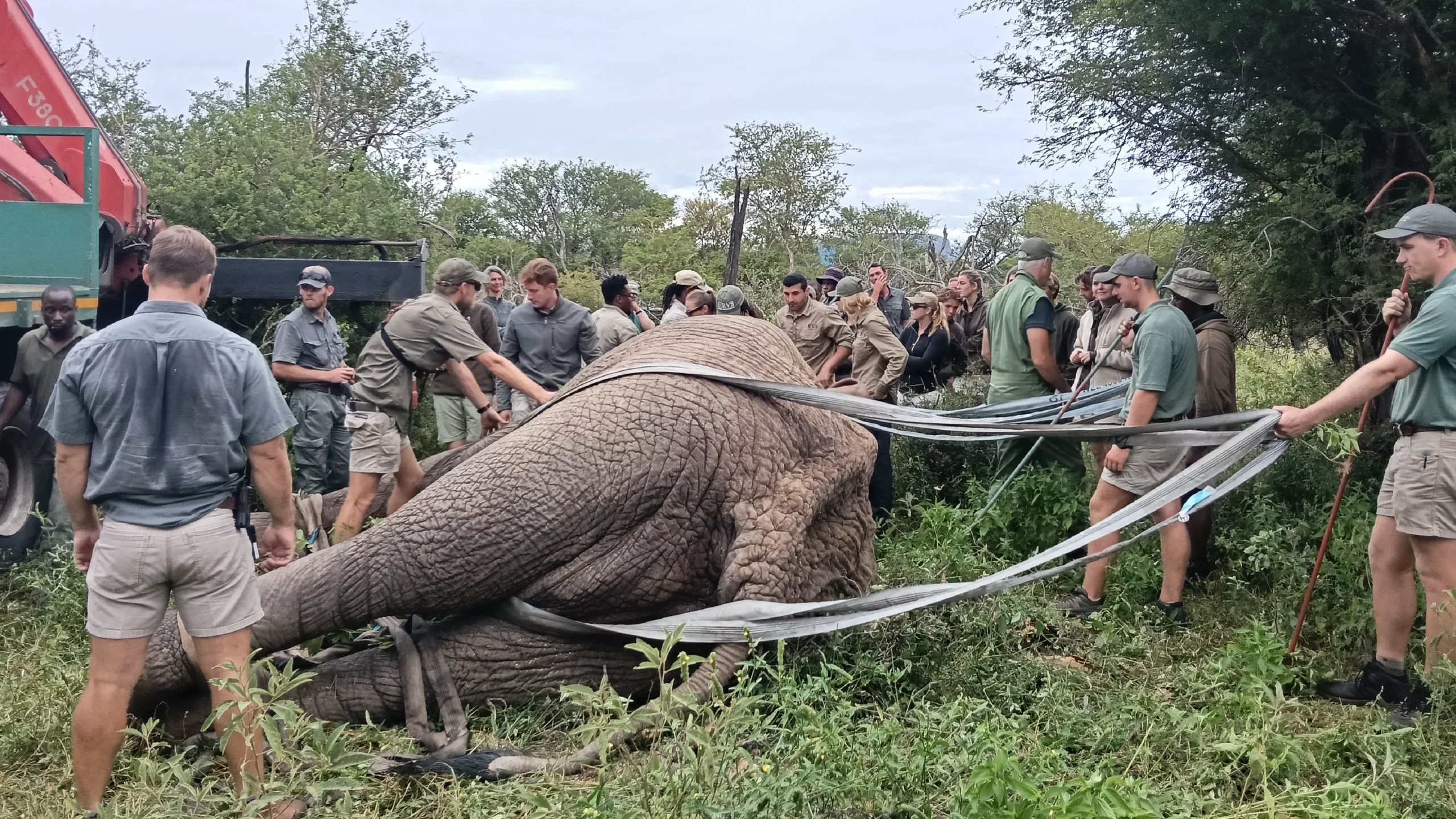
Conservation work includes targeted actions to reduce pressures on endangered species. This involves monitoring wildlife populations, identifying risks, and implementing measures to mitigate threats such as poaching and habitat loss.
Efforts are supported through coordinated programmes that combine field-based conservation, research, and stakeholder collaboration to improve species protection outcomes .

FOCUSING ON SPECIES MOST AT RISK WITHIN MABULA PRIVATE GAME RESERVE
Initial conservation efforts prioritise species classified as vulnerable, endangered, or critically endangered, particularly those affected by poaching, habitat loss, and human-wildlife conflict. These species play important roles in ecosystem function and biodiversity stability. Conservation efforts focus on improving population viability and reducing threats to their survival . These include species such as:
BLACK RHINOCEROS
GROUND PANGOLIN
AFRICAN ELEPHANT
CHEETAH
SECRETARY BIRD
WHITE-BACKED VULTURE
CAPE VULTURE
LEOPARD
LION
MEASURING CONSERVATION OUTCOMES THROUGH DEFINED INDICATORS
Conservation programmes are monitored using defined indicators to assess progress and inform decision-making. Tracking these indicators supports transparency, enables adaptive management, and ensures that conservation efforts contribute to measurable ecological outcomes. Key indicators include:
100+
Conservation Programmes Implemented
$150k
Funding Secured for Conservation Initiatives
2
Community Partnerships Supporting Conservation
10+
Active Research and Monitoring Programmes
150
Species Under Active Conservation Management