
PROTECTING ENDANGERED SPECIES THROUGH RESEARCH, ACTION, AND MEASURABLE IMPACT
Mabula Endangered Wildlife Conservation is an initiative that protects endangered species, restores vital ecosystems, and collaborates with communities to deliver lasting conservation impact.
Non-Profit Registration Number
2023 / 776031 / 08
SCIENCE-LED CONSERVATION
Mabula Endangered Wildlife Conservation (MEWC) is a non-profit organisation dedicated to the protection of Africa’s endangered species and the ecosystems that sustain them. Through science-led conservation, targeted habitat restoration, and on-the-ground anti-poaching efforts, the initiative delivers measurable outcomes for biodiversity.
We partner with local communities, researchers, governments, and conservation organisations to address the drivers of species decline, including habitat loss, human-wildlife conflict, and illegal wildlife trade. By combining research, practical conservation action, and community engagement, MEWC contributes to resilient ecosystems and long-term species survival across Africa.
THE CHALLENGE FACING AFRICA'S WILDLIFE
Endangered species across Africa face sustained pressure from habitat loss, illegal wildlife trade, and increasing human-wildlife conflict. These threats reduce biodiversity, fragment ecosystems, and place already vulnerable species at greater risk.
Effective conservation requires a coordinated response that protects critical habitats, mitigates threats, and supports the people who live within these ecosystems. Addressing these interconnected challenges is essential to securing long-term ecological balance and species survival.
FOCUSED ON WHAT MATTERS MOST FOR ENDANGERED SPECIES
Our work prioritises the protection of key habitats that support vulnerable species and maintain ecosystem function. We focus on species most at risk from poaching, habitat loss, and human-wildlife conflict, with targeted interventions designed to stabilise and recover populations.
In parallel, we support initiatives that address the broader pressures on ecosystems, including biodiversity loss, environmental degradation, and the impacts of climate change. These focus areas guide the allocation of resources and ensure that conservation efforts are directed where they are needed most
A STRUCTURED APPROACH TO CONSERVATION
Effective conservation requires coordinated action across ecosystems, species, and communities. MEWC’s work is structured to protect critical habitats, generate scientific knowledge, and support the people who live alongside wildlife. These areas of focus guide how we respond to the threats facing endangered species and ensure that conservation efforts are practical, measurable, and sustained over time
WILDLIFE
PROTECTION
Protecting endangered species requires consistent monitoring, targeted intervention, and informed management. MEWC conducts research and population monitoring to understand species dynamics, identify risks, and guide conservation actions. Anti-poaching initiatives and threat mitigation programmes are implemented to reduce pressure on vulnerable populations and support long-term species recovery.
ECOSYSTEM
RESTORATION
Healthy ecosystems are essential for species survival and biodiversity stability. MEWC focuses on protecting and restoring critical habitats, improving ecological conditions, and strengthening connectivity between fragmented landscapes. These efforts support resilient ecosystems capable of sustaining wildlife populations and adapting to environmental change.
COMMUNITY
ENGAGEMENT
Sustainable conservation depends on collaboration with local communities. MEWC works with communities to develop practical, locally relevant conservation solutions, reduce human-wildlife conflict, and support sustainable livelihoods. Through education, training, and partnerships, communities are equipped to participate in and benefit from long-term conservation efforts. .
PROTECTING AFRICA'S MOST VULNERABLE SPECIES
MEWC focuses on the protection of endangered and vulnerable species that face ongoing threats from habitat loss, poaching, illegal wildlife trade, and human-wildlife conflict. Through targeted conservation programmes, research, and habitat management, we support the survival of key species within Mabula Private Game Reserve and contribute to broader conservation efforts across Africa .
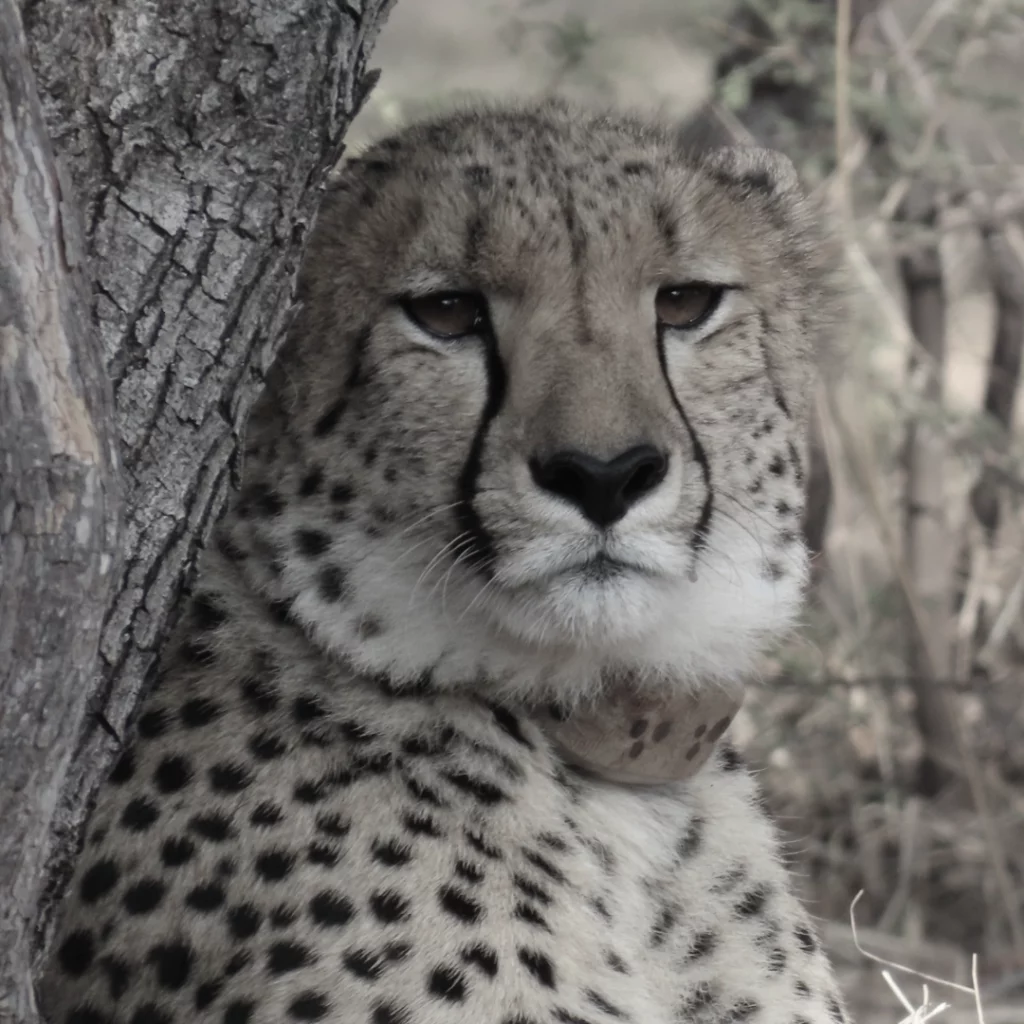
CHEETAH
Acinonyx jubatus
Africa’s fastest land animal remains under sustained pressure from habitat fragmentation and human-wildlife conflict. Declining populations reflect the loss of connected landscapes required for survival.
MEWC supports research, population monitoring, and habitat management to improve conservation outcomes and maintain viable cheetah populations.
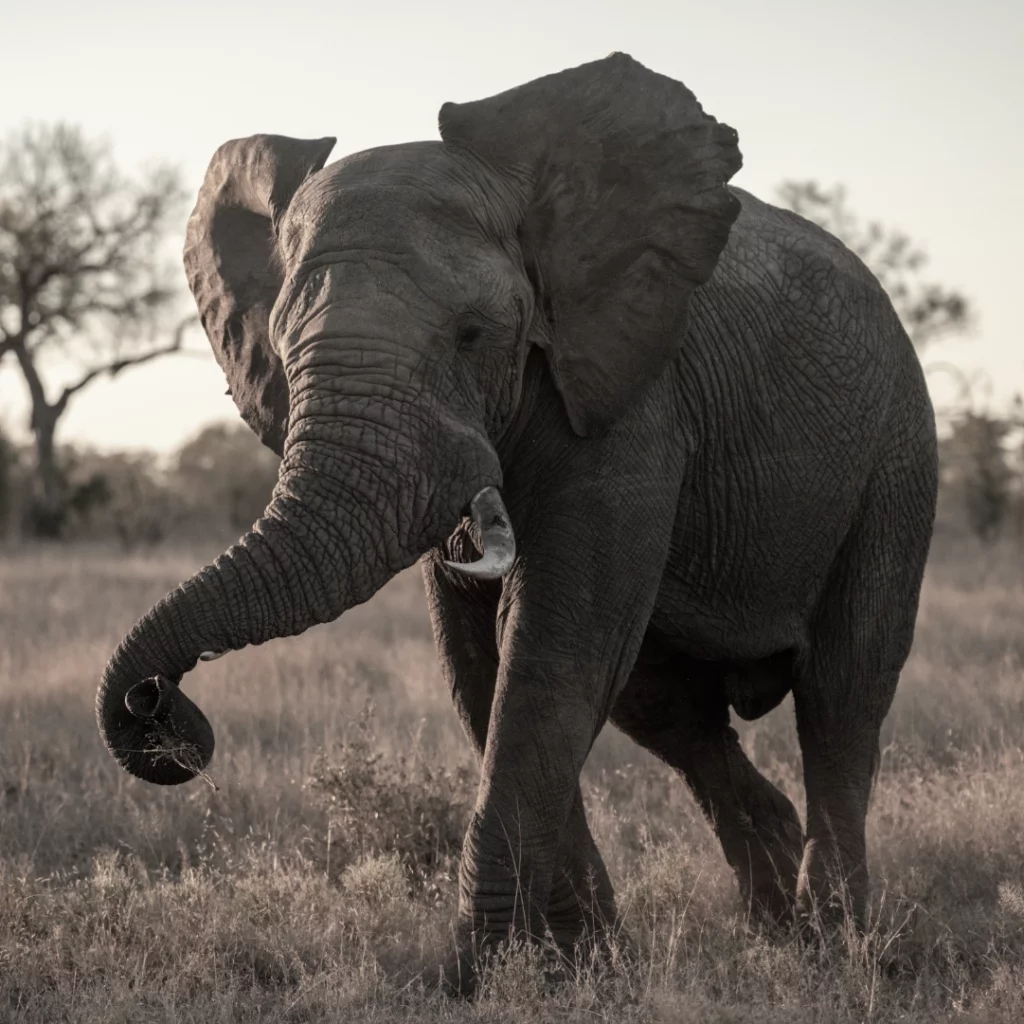
ELEPHANT
Loxodonta africana
Elephants play a central role in maintaining ecosystem structure through seed dispersal, vegetation management, and landscape modification.
MEWC supports conservation initiatives that protect elephant populations and preserve the ecological processes they sustain within protected areas.

RHINOCEROS
Diceros bicornis / Ceratotherium simum
Both black and white rhinoceros populations are threatened by persistent poaching linked to the illegal wildlife trade. Continued protection is essential to prevent further population decline.
MEWC contributes to anti-poaching operations, monitoring programmes, and habitat protection to support the long-term security of these species .
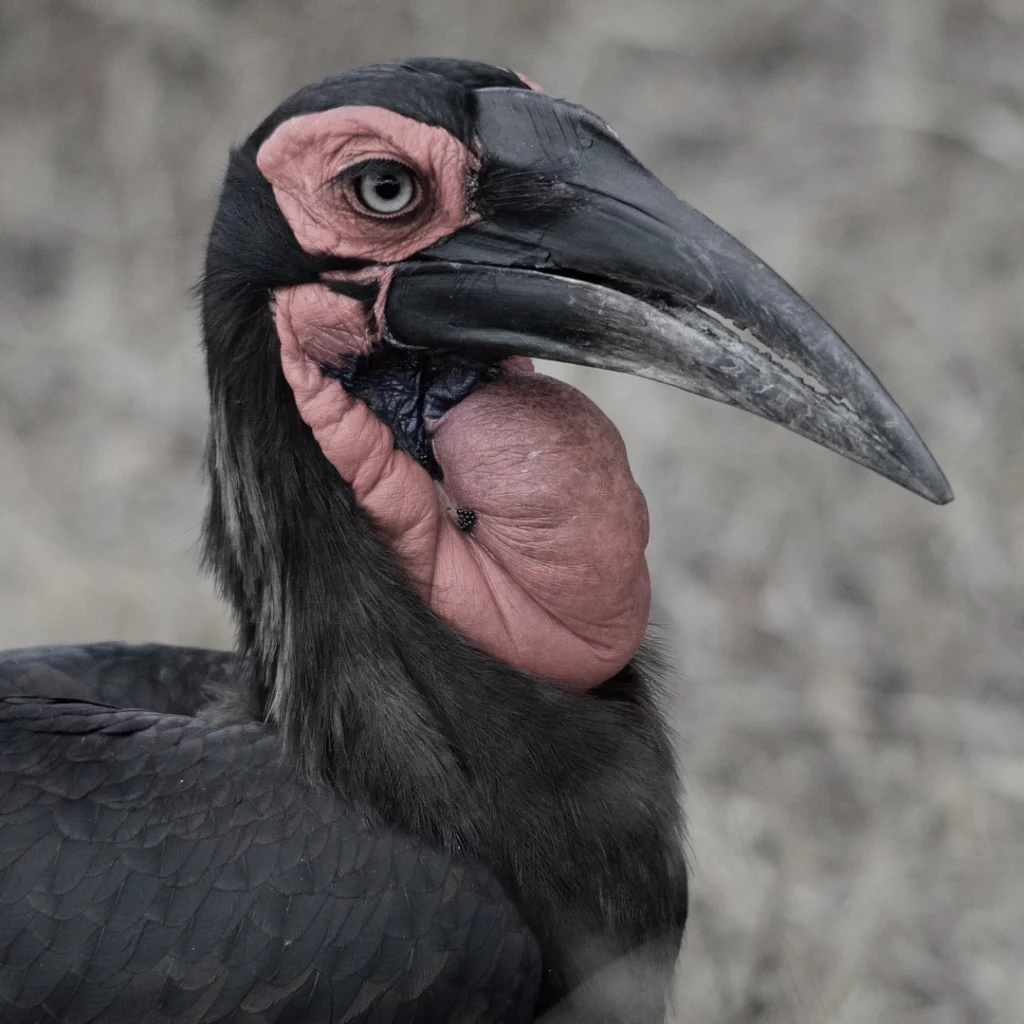
HORNBILL
Bucorvus leadbeateri
This species faces ongoing risk due to habitat loss and low reproductive rates, making population recovery slow and complex.
MEWC works with conservation partners to protect nesting sites, monitor populations, and support long-term recovery efforts.
BEYOND THESE SPECIES
Mabula Endangered Wildlife Conservation’s work extends to a wider range of endangered and vulnerable species found within Mabula Private Game Reserve, including lion, leopard, pangolin, giraffe, and several raptor and vulture species of conservation concern.
RELOCATING 32 RHINOS
See how the WildEarth Impact Foundation documented the high-stakes relocation of a massive rhino herd to their new home in the Mabula Private Game Reserve.
MEASURING CONSERVATION OUTCOMES THROUGH DEFINED INDICATORS
Conservation programmes are monitored using defined indicators to assess progress and inform decision-making. Tracking these indicators supports transparency, enables adaptive management, and ensures that conservation efforts contribute to measurable ecological outcomes. Key indicators include:
100+
Conservation Programmes Implemented
$150k
Funding Secured for Conservation Initiatives
2
Community Partnerships Supporting Conservation
10+
Active Research and Monitoring Programmes
150
Species Under Active Conservation Management