SUPPORTING ENDANGERED SPECIES THROUGH RESEARCH, RESTORATION, AND COLLABORATION
An initiative focused on protecting endangered species, restoring ecosystems, and advancing conservation through science and collaboration.
Non-Profit Registration Number
2023 / 776031 / 08
ENDANGERED SPECIES AND ECOSYSTEM PROTECTION
MEWC is a conservation initiative dedicated to safeguarding endangered wildlife and the ecosystems that support them. Work is centred on Mabula Private Game Reserve, with broader relevance to conservation efforts across Africa. Established to expand existing conservation work, MEWC enables structured research, targeted conservation programmes, and collaboration with partners including universities, conservation organisations, and government stakeholders.

BUILT ON EXISTING CONSERVATION WORK AND DEVELOPED TO EXPAND ITS IMPACT
Conservation efforts at Mabula Private Game Reserve have developed over time through ongoing work to protect wildlife and manage ecosystems. These efforts created a foundation of practical conservation experience, informed by on-the-ground implementation and long-term environmental management.
MEWC was established to build on this foundation by introducing a more structured approach to conservation. The initiative enables the development of research programmes, supports coordinated conservation action, and creates opportunities for collaboration with universities, conservation organisations, and other stakeholders.
By formalising existing work, MEWC strengthens the ability to measure outcomes, apply scientific knowledge, and scale conservation efforts beyond a single reserve. This progression allows local conservation activities to contribute to broader understanding, improved practices, and more effective protection of endangered species and ecosystems across Africa .
GUIDED BY A CLEAR CONSERVATION MANDATE AND A LONG-TERM VISION FOR AFRICA’S ECOSYSTEMS
Mission
To safeguard endangered and vulnerable species and ecosystems through conservation action, scientific research, and community engagement.
Vision
A future where African wildlife populations are stable, ecosystems are resilient, and biodiversity is protected from ongoing threats, including illegal wildlife trade .
ADDRESSING THE PRESSURES THAT CONTINUE TO THREATEN AFRICA’S WILDLIFE AND NATURAL SYSTEMS
Across Africa, wildlife populations are under increasing pressure from habitat loss, poaching, illegal trade, and human-wildlife conflict. These challenges impact both biodiversity and the long-term stability of ecosystems.
Effective conservation requires coordinated action that protects habitats, reduces threats, and supports the people who live alongside wildlife. MEWC contributes to this through focused, evidence-based conservation initiatives.

DIRECTING CONSERVATION EFFORTS TOWARD THE AREAS OF GREATEST ECOLOGICAL IMPORTANCE
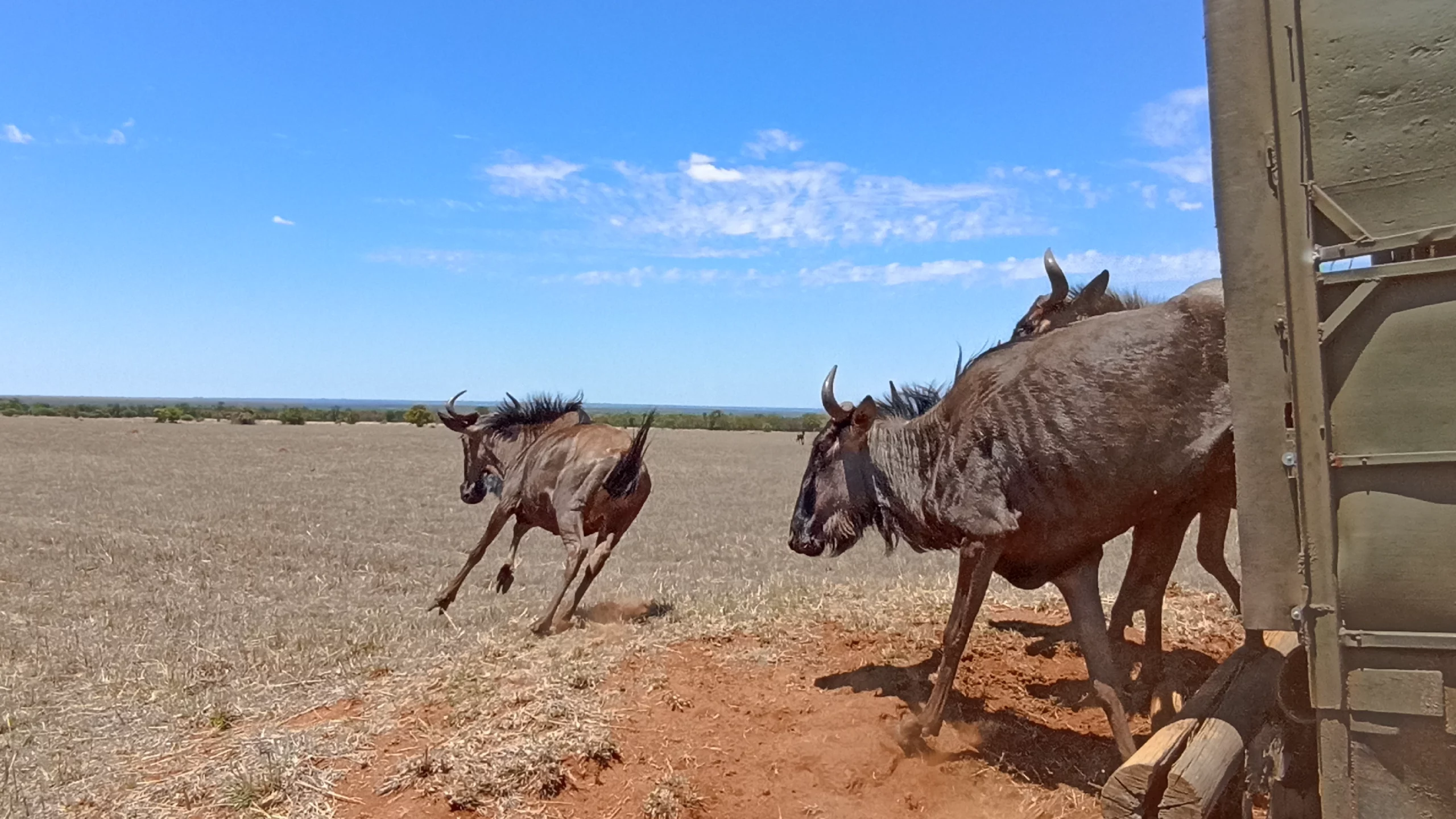
MEWC directs its work toward areas critical to effective conservation outcomes. Priority is given to protecting habitats that sustain biodiversity, supporting species most at risk, and addressing the primary drivers of population decline. Conservation efforts are designed to strengthen ecosystem resilience while maintaining ecological balance.
This focus ensures that resources are applied where they can deliver the greatest impact .
APPLYING A STRUCTURED, EVIDENCE-BASED APPROACH TO CONSERVATION IN PRACTICE
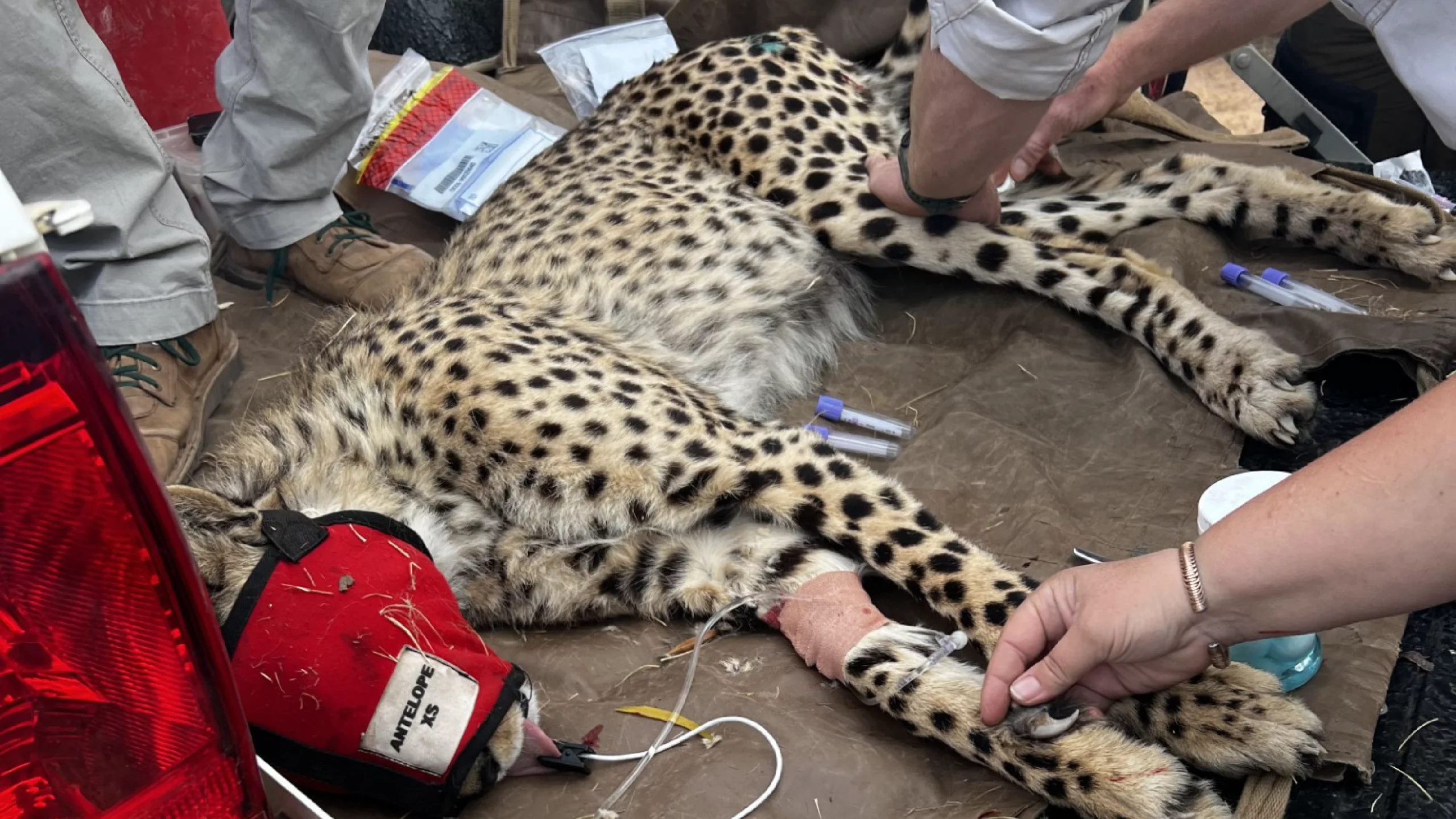
MEWC delivers conservation outcomes through a structured approach that integrates ecosystem protection, scientific research, and stakeholder collaboration. Work includes habitat restoration, species monitoring, and the application of research to guide conservation decisions. Collaboration with local communities and partners supports sustainable practices and reduces risks such as human-wildlife conflict.
This approach enables conservation efforts that are measurable, adaptive, and aligned with evolving environmental challenges .
ECOSYSTEM PROTECTION AND RESTORATION
Conservation efforts are focused on protecting critical habitats and restoring degraded ecosystems to support biodiversity and long-term ecological stability. This includes improving habitat quality, strengthening vegetation cover, and maintaining ecological processes that sustain wildlife populations.
Work also addresses environmental pressures such as habitat fragmentation and land degradation, with the aim of improving ecosystem resilience and supporting natural recovery over time. These efforts contribute to the preservation of biodiversity and the functioning of healthy ecosystems .
COMMUNITY ENGAGEMENT AND STAKEHOLDER COLLABORATION
Sustainable conservation depends on the involvement of local communities and relevant stakeholders. MEWC works collaboratively to develop conservation initiatives that are locally informed and responsive to social and environmental conditions.
This includes supporting education and awareness, facilitating participation in conservation activities, and contributing to initiatives that reduce human-wildlife conflict. Partnerships with organisations, institutions, and government stakeholders strengthen coordination and enable broader conservation impact .
SCIENTIFIC RESEARCH AND KNOWLEDGE DEVELOPMENT
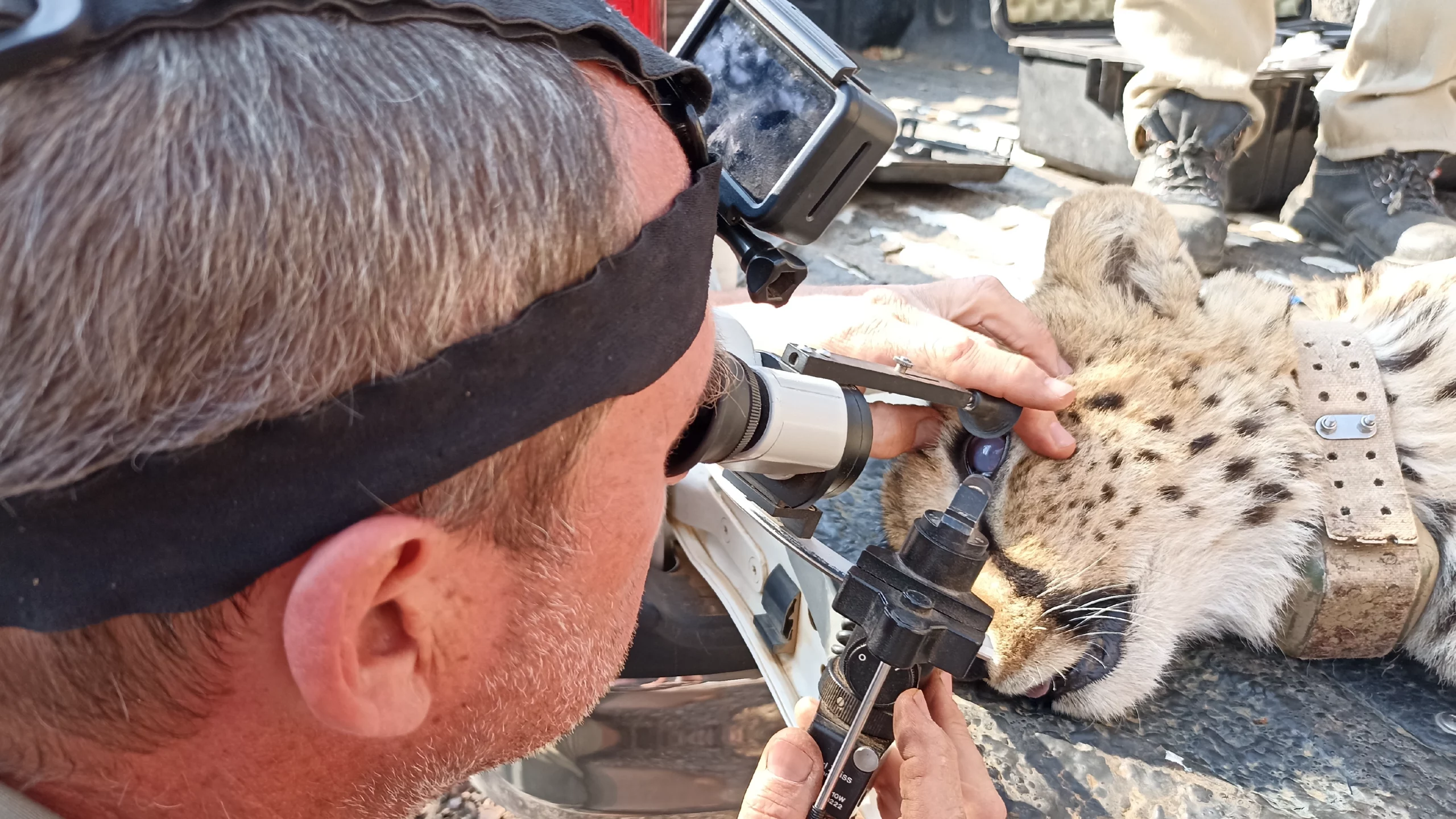
Scientific research underpins all conservation activities. MEWC conducts monitoring and research programmes to understand species behaviour, population trends, and the threats affecting ecosystems.
Data collected through these programmes is used to inform conservation strategies, guide decision-making, and support adaptive management. Ongoing research also contributes to broader knowledge-sharing and strengthens conservation practices beyond the immediate area of operation .

LEADERSHIP GUIDING THE DELIVERY OF CONSERVATION WORK
Ivan Kilian
Reserve Manager, Mabula Private Game Reserve
Chief Executive Officer, MEWC
Ivan Kilian is a conservation professional with over two decades of experience in reserve management, wildlife management, and conservation operations across South Africa.
He oversees the management of Mabula Private Game Reserve, including ecological sustainability, wildlife management, security, infrastructure, and operational coordination. This role provides direct oversight of the environment in which MEWC’s conservation programmes are implemented.
As Chief Executive Officer of MEWC, Ivan is responsible for guiding conservation strategy, supporting the development of research and species management programmes, and coordinating partnerships with conservation organisations, researchers, and stakeholders.
His experience includes roles within South African National Parks and the private conservation sector, contributing to conservation planning, population management, and operational delivery across large-scale landscapes.
Ivan holds academic qualifications in Nature Conservation and Wildlife Management and maintains a focus on aligning conservation practice with long-term ecological sustainability and measurable outcomes.
GROUNDED IN MABULA WITH BROADER CONSERVATION RELEVANCE ACROSS AFRICA
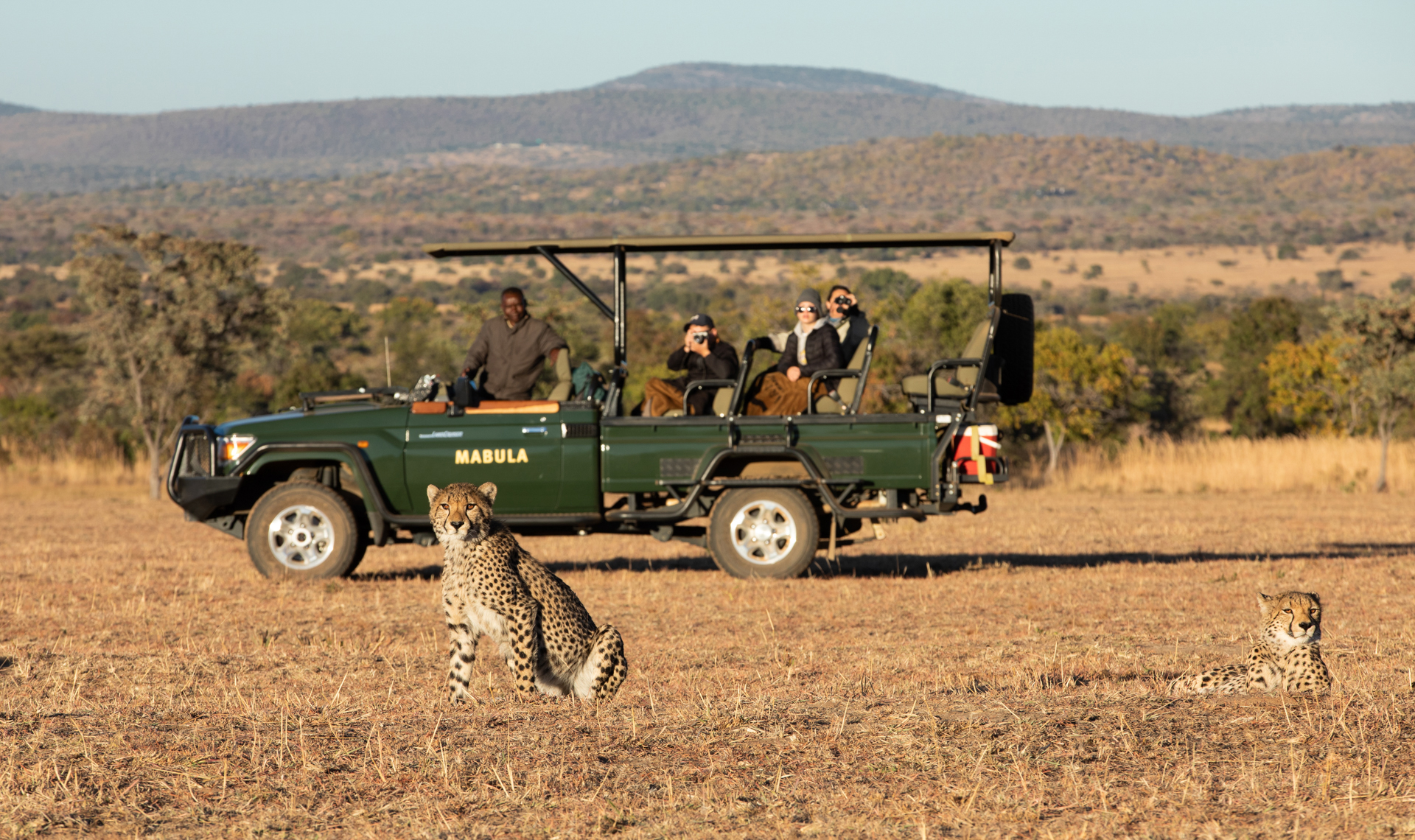
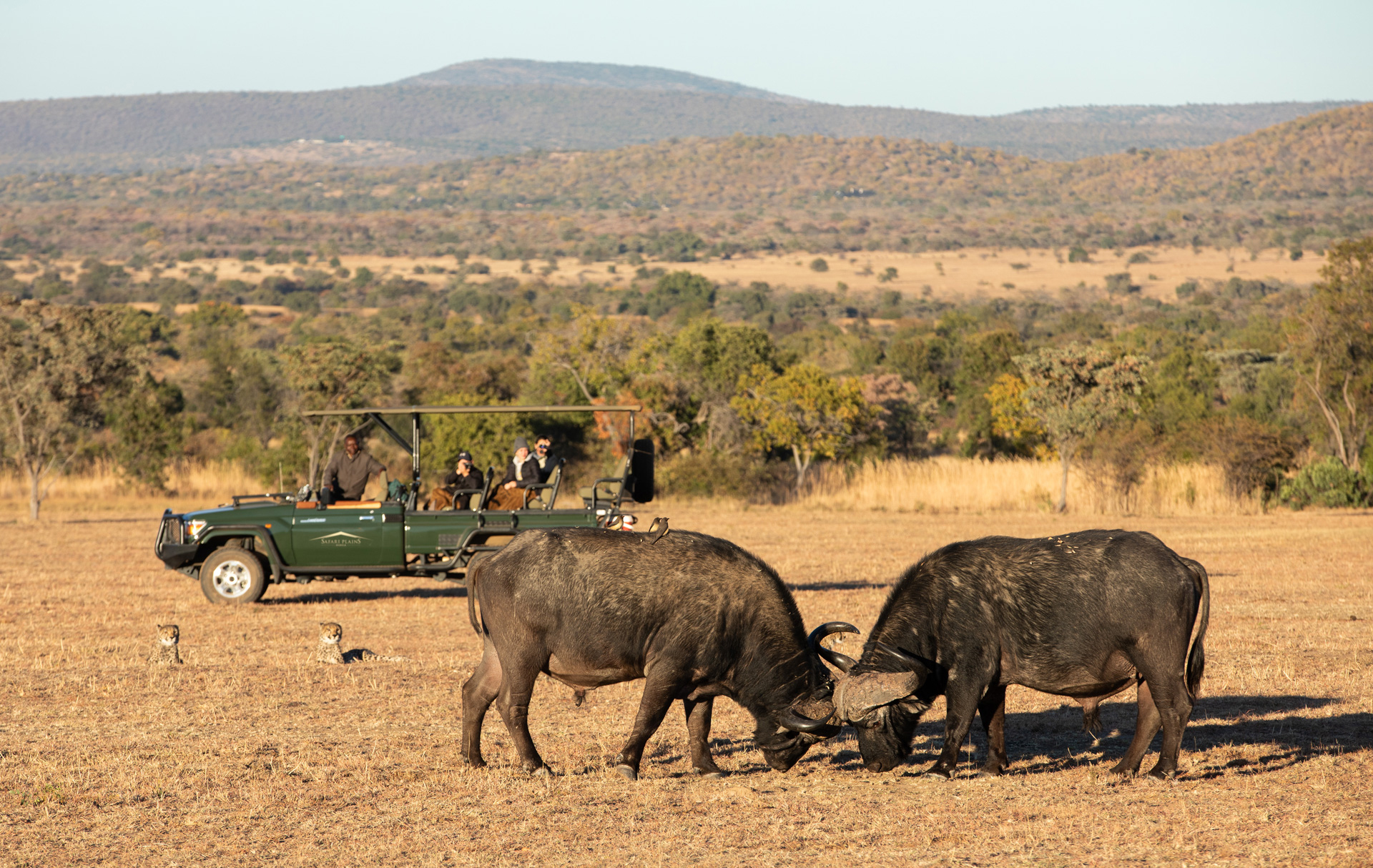
MEWC operates within Mabula Private Game Reserve, where conservation programmes are implemented through habitat management, species monitoring, and research-led initiatives.
This environment provides a controlled and measurable setting to apply conservation strategies and assess their effectiveness. Through research collaboration and knowledge sharing, insights generated from these programmes contribute to broader conservation efforts across Africa, supporting improved understanding of species protection and ecosystem management .


ENABLING CONSERVATION THROUGH PARTNERSHIP AND LONG-TERM SUPPORT
Conservation outcomes depend on sustained collaboration and resource support. MEWC works with conservation organisations, research institutions, government stakeholders, and private partners to implement programmes that address key environmental challenges.
Partnerships and funding support enable:
- Scientific research and monitoring programmes
- Habitat protection and restoration initiatives
- Anti-poaching and threat mitigation efforts
- Community engagement and capacity development
These contributions support the continued delivery of structured, measurable conservation work .
PARTNERS, DONORS, AND COLLABORATORS ENABLING CONSERVATION IMPACT
The conservation work of MEWC is made possible through the commitment of organisations, donors, and institutions that share a vision for the long-term protection of Africa’s endangered species and ecosystems.
CONSERVATION PARTNERS
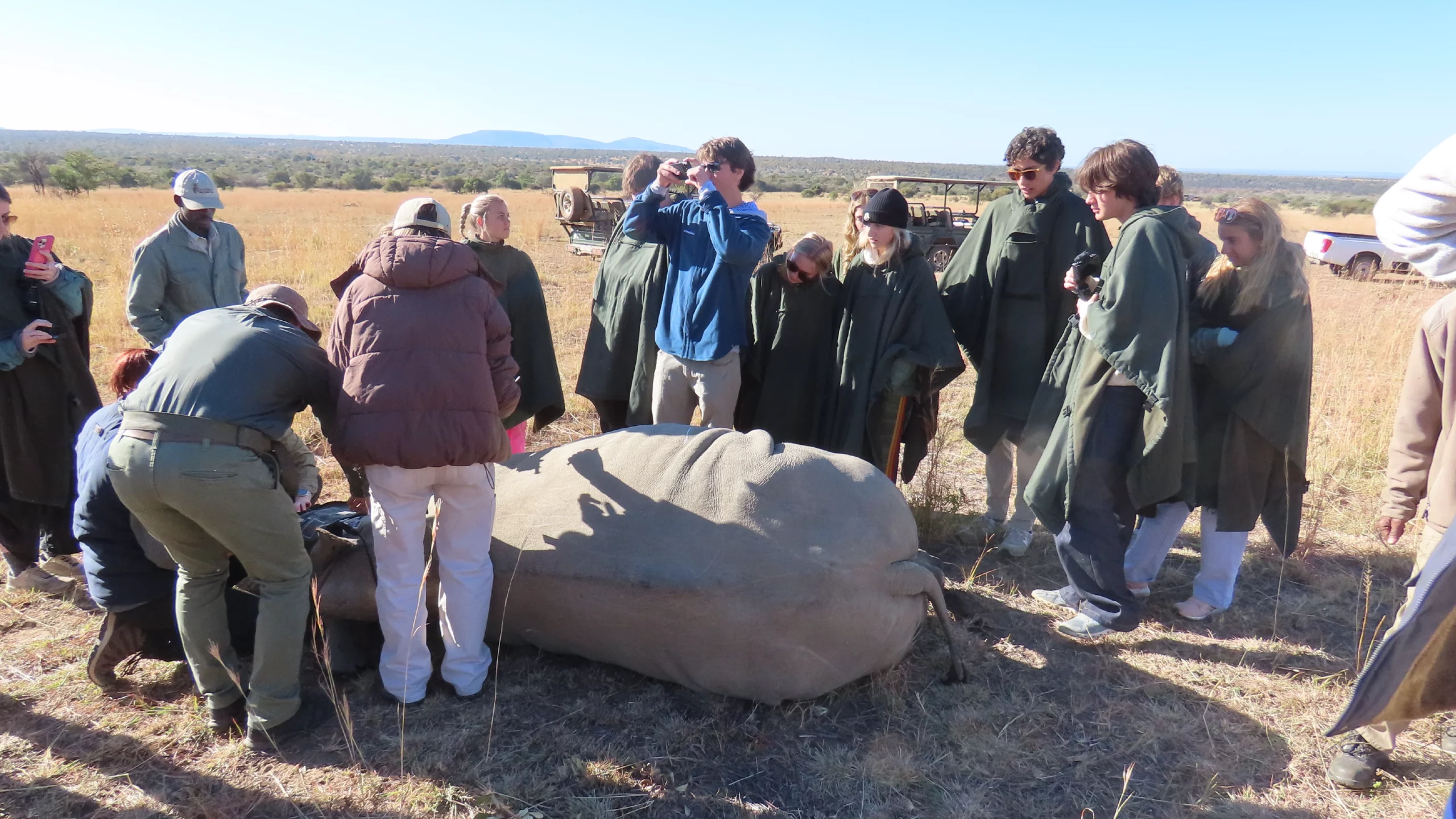
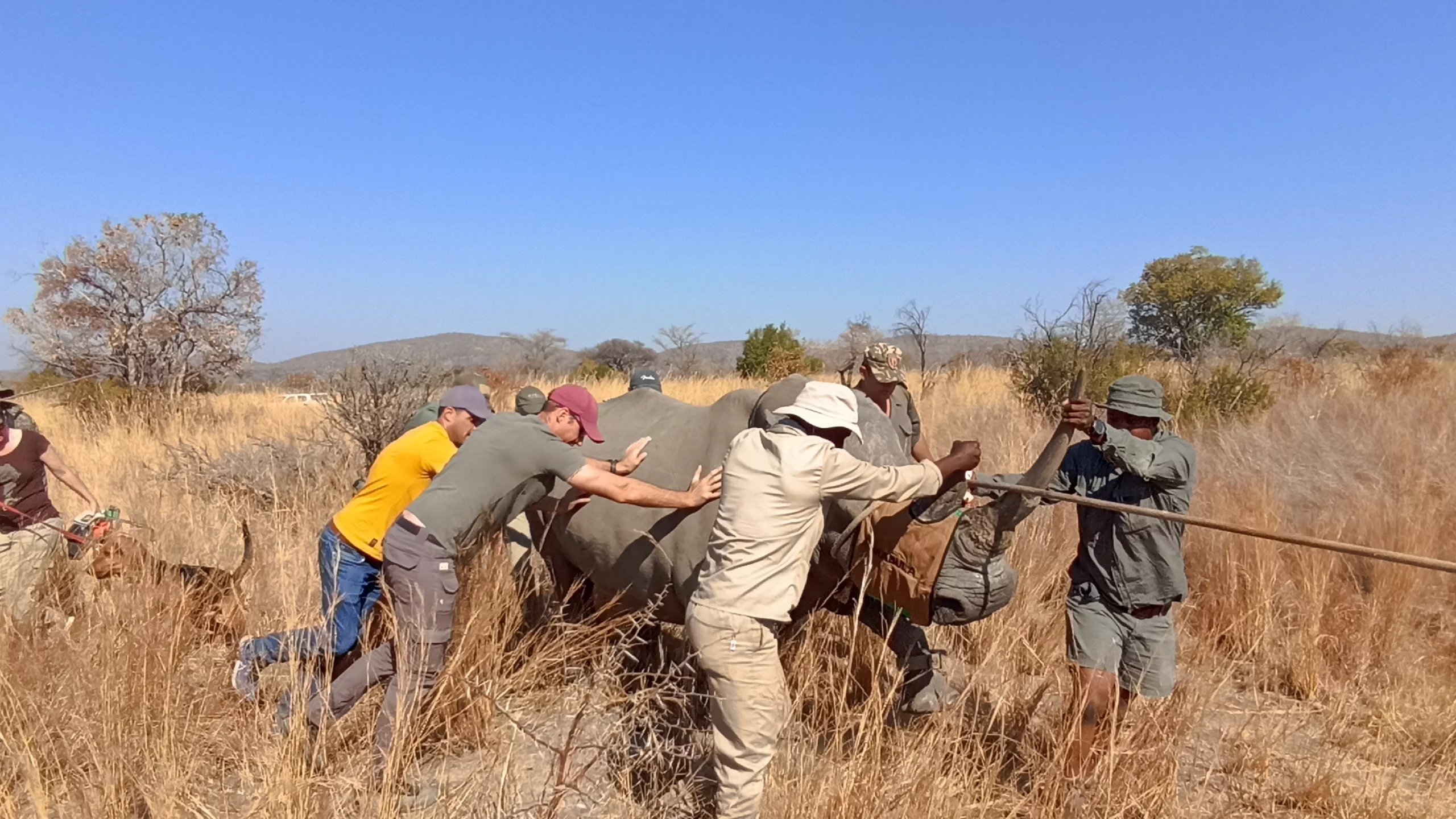
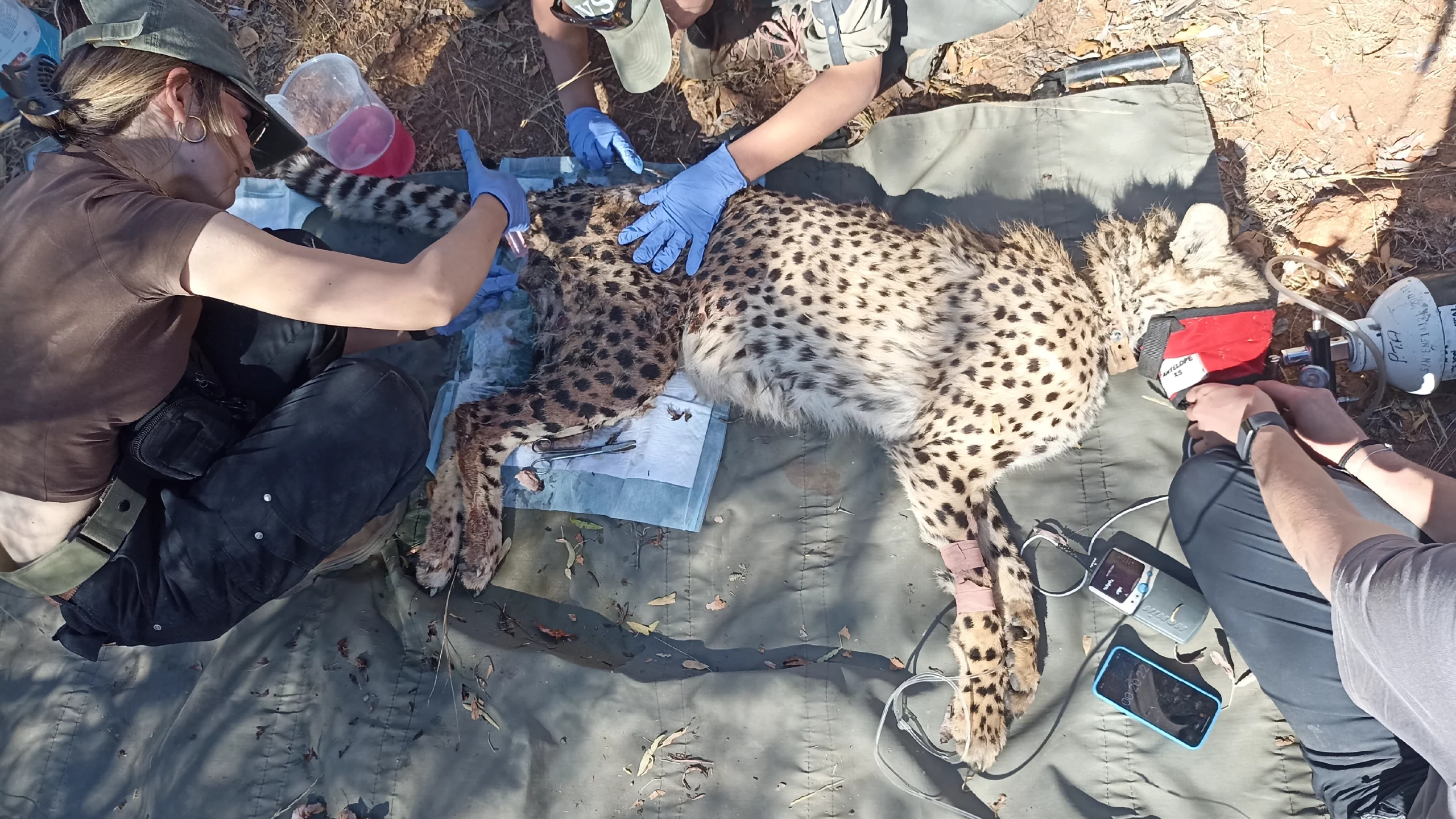
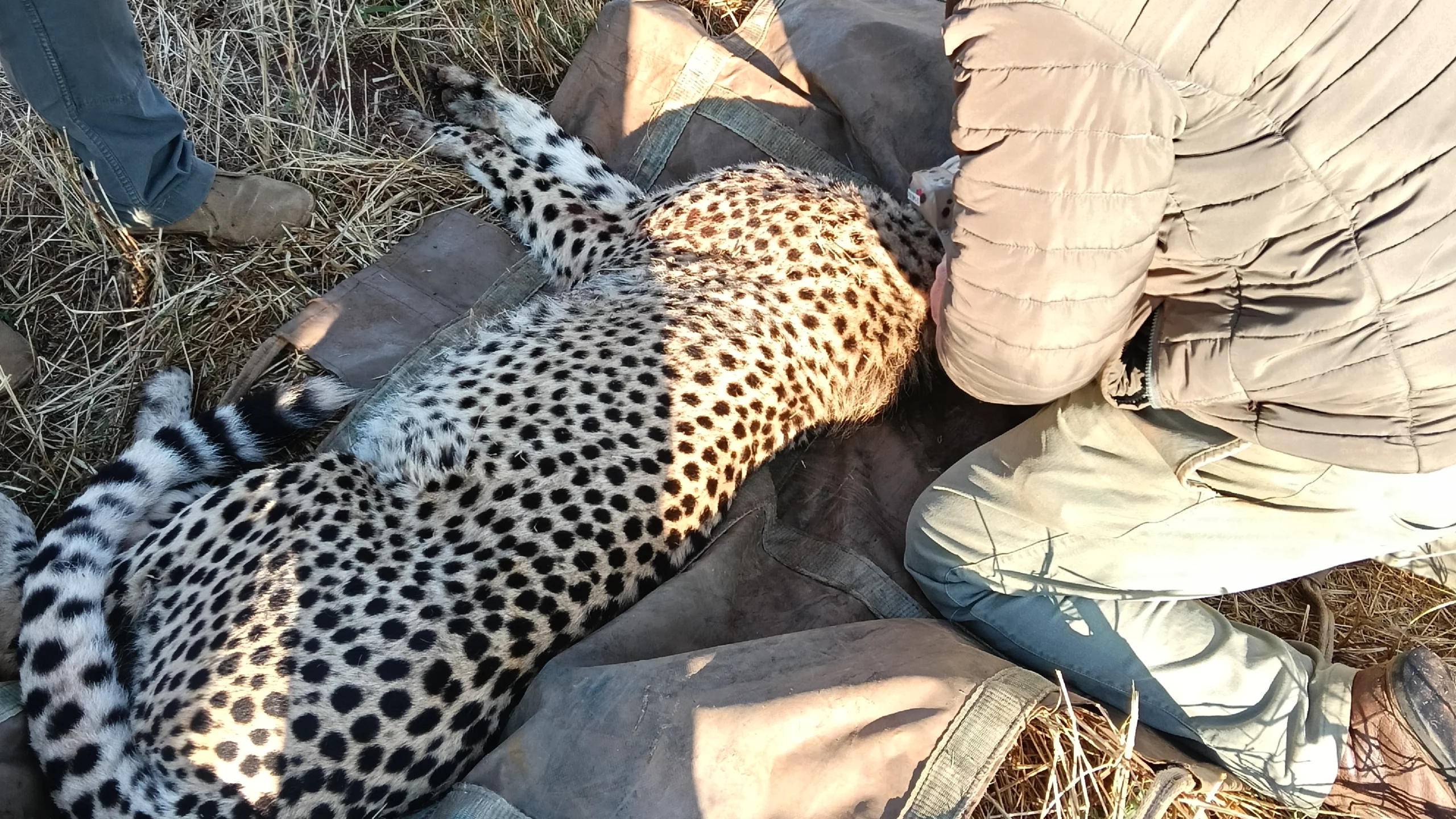
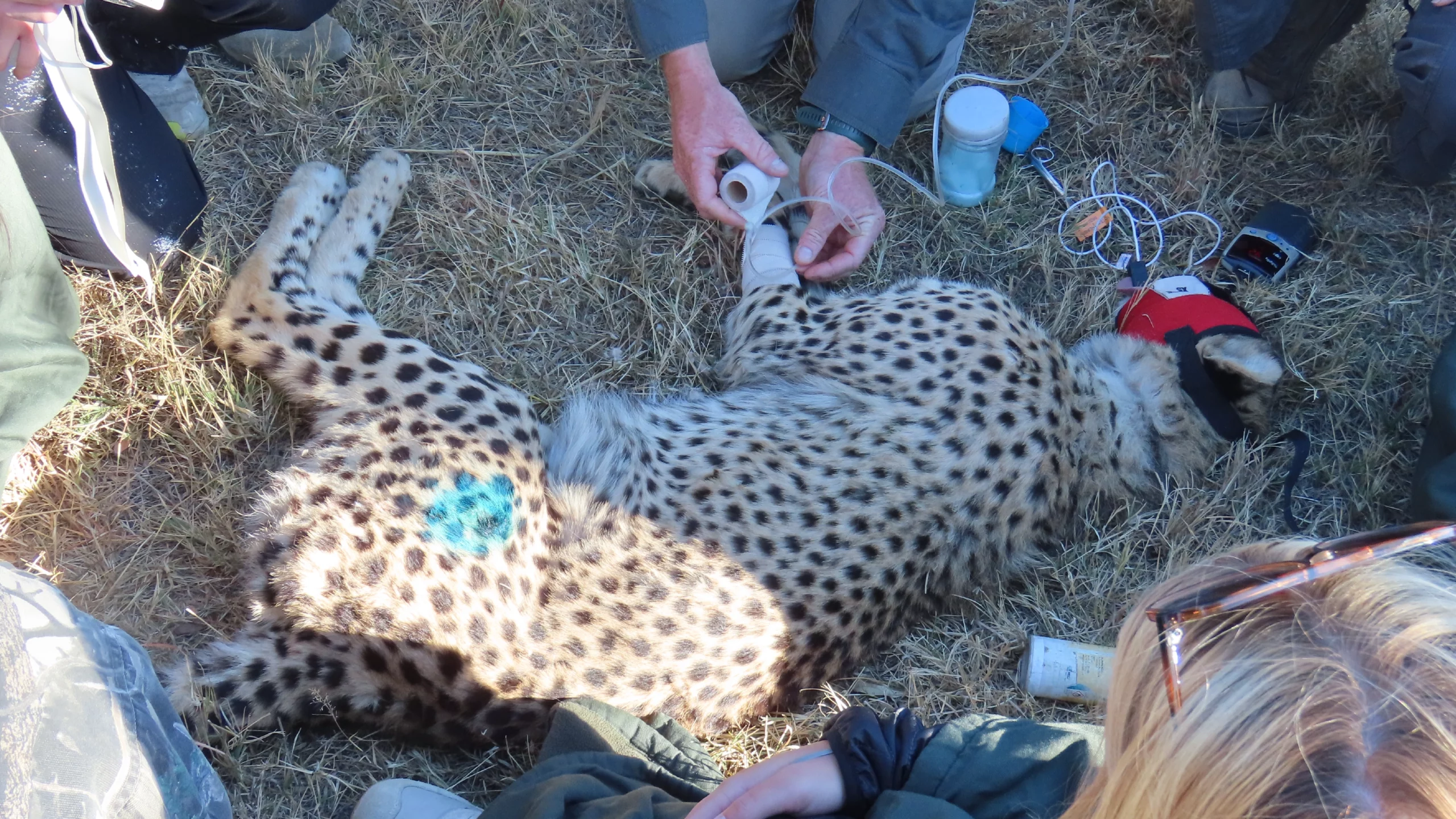
MEWC works alongside African Parks, the Endangered Wildlife Trust, and the Cheetah Metapopulation Initiative to deliver coordinated conservation action across rhinoceros rewilding, cheetah population management, and wild dog conservation.
PRINCIPAL DONOR
MyPlanet Rhino Fund served as principal donor for the recent rhinoceros translocation, providing the critical funding that made the programme possible.
TRANSLOCATION DONORS: RHINOCEROS AND ELEPHANT
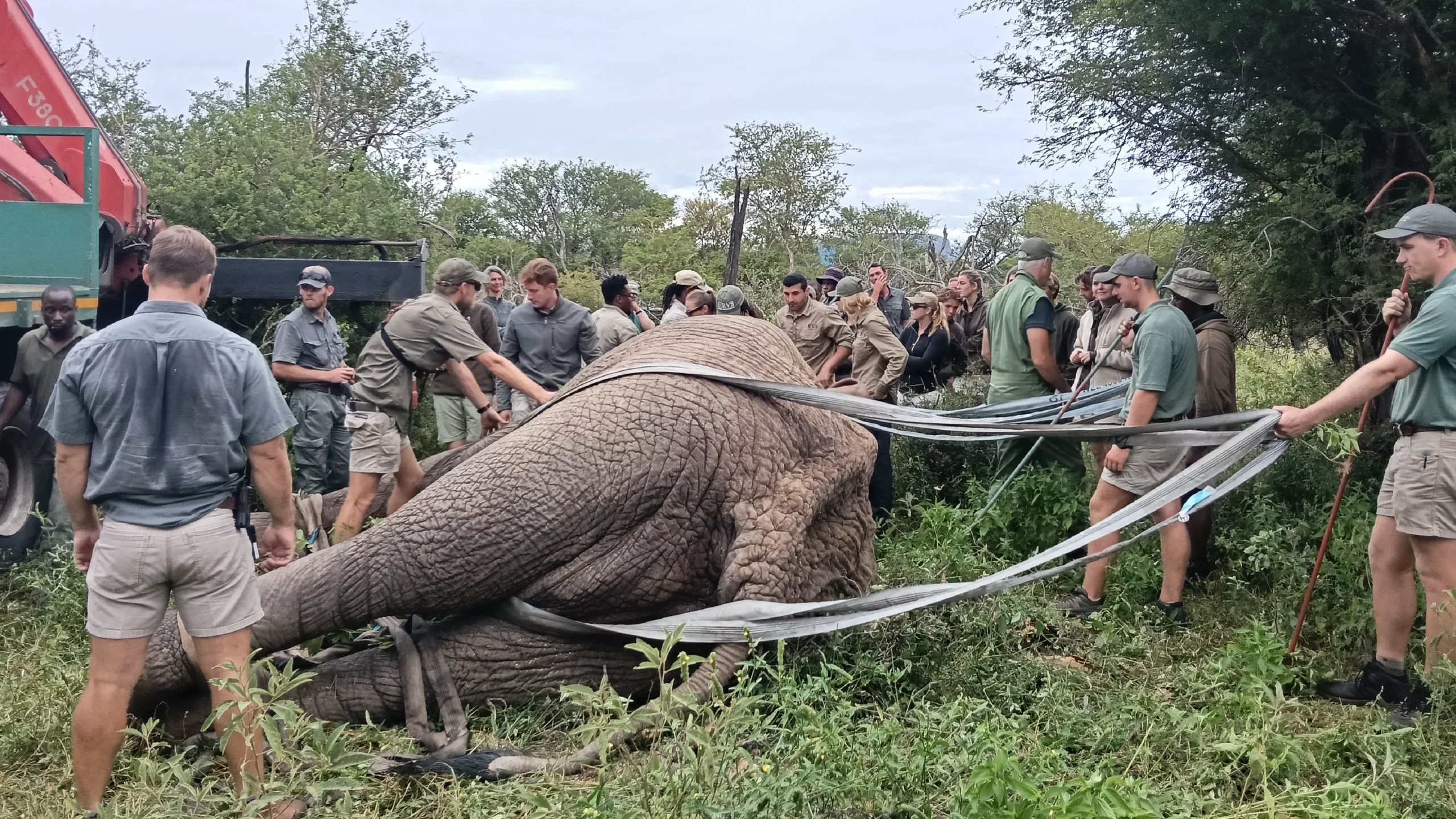
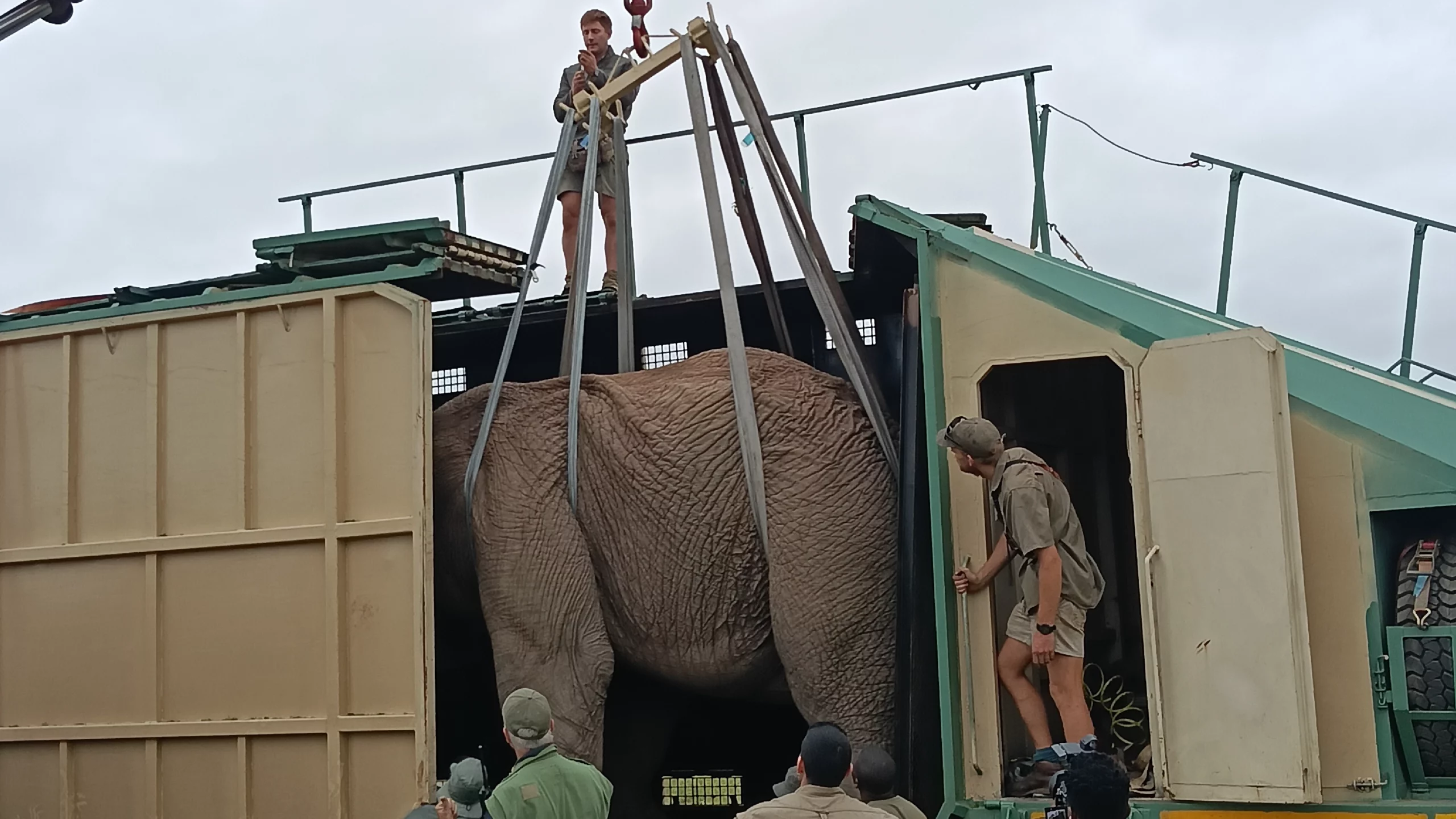
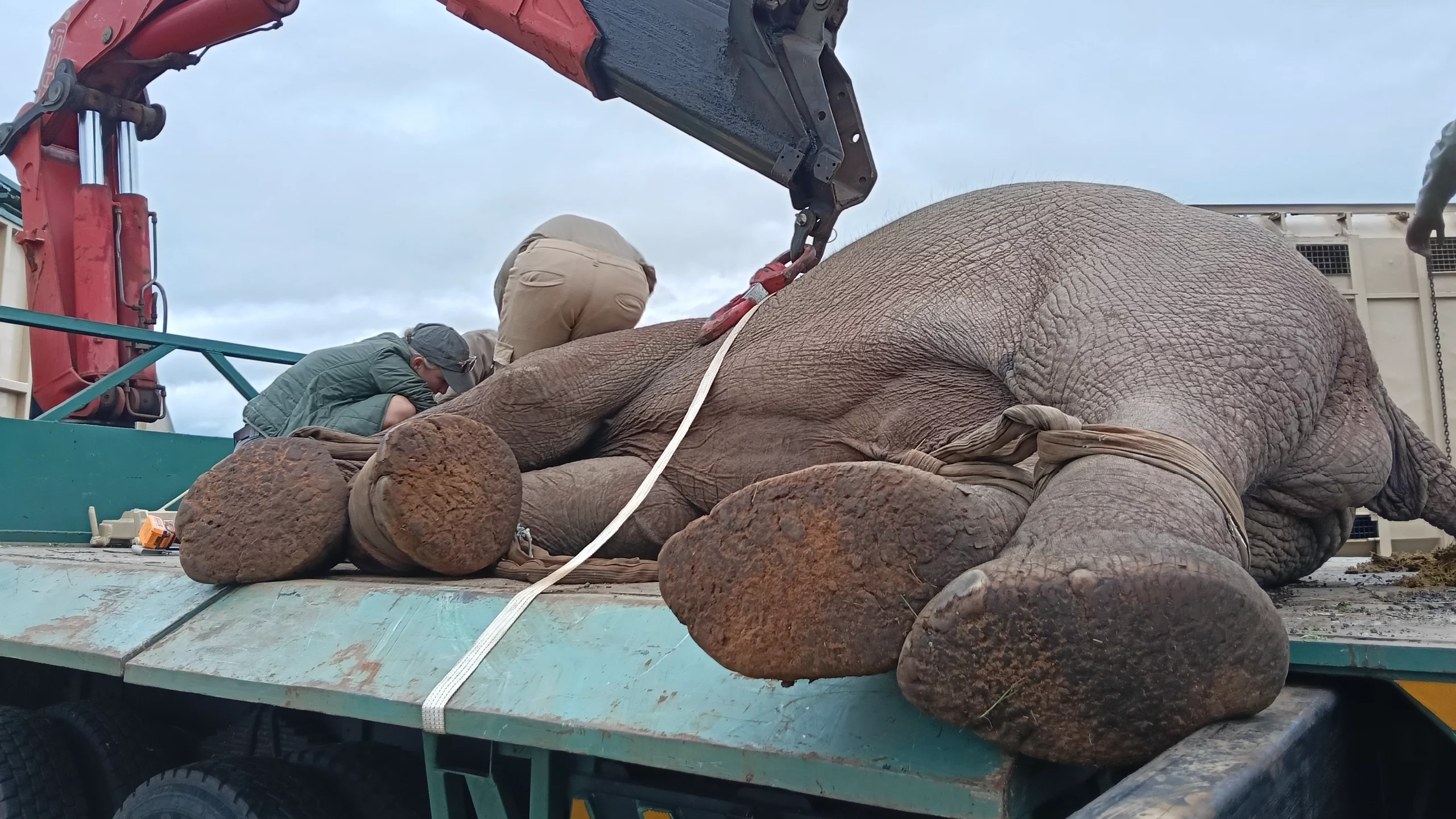
Brands2Africa, Douwe de Jong, and Mr K, Pure and Precious Metals provided generous funding support toward both the rhinoceros and elephant translocation programmes.
TRANSLOCATION DONORS: ELEPHANT
Saving the Survivors and the Wildlife Conservation Alliance contributed specifically to the elephant translocation, supporting the welfare and successful relocation of elephant populations to Mabula Private Game Reserve.
CORPORATE SPONSORS
McCarthy Toyota sponsors the Anti-Poaching Unit vehicle, providing essential operational support for wildlife protection. Tallisman sponsors the manufacturing equipment used in the Pyramid Project, MEWC’s tree protection and habitat restoration programme.
ACADEMIC COLLABORATIONS
MEWC collaborates with the Senckenberg Biodiversity Institute, Wageningen University, the University of Vienna, and Tshwane University of Technology on scientific research that informs species monitoring, ecological management, and evidence-based conservation decision-making.

OPERATING AS A REGISTERED NON-PROFIT INITIATIVE
MEWC operates as a registered non-profit organisation, with funding directed toward conservation programmes, research, and on-the-ground implementation.
Transparency and accountability are maintained through structured governance and reporting, ensuring that resources are applied effectively to support conservation objectives .
Non-Profit Registration Number:
2023 / 776031 / 08
SUPPORT CONSERVATION EFFORTS AND CONTRIBUTE TO LONG-TERM IMPACT
Conservation requires coordinated action and sustained commitment. Supporting MEWC contributes to the protection of endangered species, the restoration of ecosystems, and the advancement of conservation knowledge.
Get in touch to support conservation initiatives or explore partnership opportunities.